
Badminton betting odds in Great Britain for 2026
 Available in US
October 30, 2026 · verified against the Gambling Commission’s remote operating licence register.
Badminton sits in an odd corner of the British betting market. The sport is mainstream — the Badminton World Federation has run the game since 1934, the All England Open started in 1900, and five Olympic disciplines have been on the programme since the 1992 Games — but the betting menu is narrower than for football, horse racing or tennis. A punter looking at badminton betting odds in 2026 is choosing between the books that bother to price the sport well, the markets they actually publish, and the difference between an event with a real BWF fixture behind it and a token one priced from a trader’s model. The cost of getting that choice wrong is small per bet and large over a season, because the same numbers — a margin here, a wagering factor there — recur on every coupon.

This page is written for the reader who wants to know what they are paying for when they back a shuttle. It walks through how the odds are built, what a bookmaker’s margin takes out of every coupon, how the live markets behave, what the welcome offers at British operators actually cost after the small print, and which of the ten bookmakers reviewed below make the most sense for different kinds of badminton bettor. It is built from the Gambling Commission’s own public register and from each operator’s published terms; no figure is taken from a memory of what the market used to look like.
How Badminton Betting Odds Work in Great Britain
Badminton betting odds in Great Britain are decimal by default at every operator reviewed below, even though fractional odds remain the headline form in racing and a few other sports. The decimal price is what settles the bet: the stake multiplied by the odds is what comes back if the bet wins, and the stake multiplied by (odds minus one) is the profit. A £10 stake at 2.50 returns £25, of which £15 is profit and £10 is the stake returned. That is the whole payout story for a single; for an accumulator, the odds of the legs multiply together first and the stake is multiplied by that single product, which is why a four-fold at fractional terms of 5/1, 3/1, 2/1 and 6/4 reads as one number rather than four.

Beneath the price is the margin. The bookmaker’s margin is the slice of every pound staked that the firm expects to keep, on average, across a market. It is built into the odds, which is why a balanced two-way market at 1.90/1.90 does not pay 1.00/1.00 and never will. The maths is the inverse of payout share. For an illustrative two-way market at decimal odds 1.90 and 1.90 (fractional 9/10 each way), the implied probability of each outcome is 1 ÷ 1.90, or about 52.63%. Added together, that comes to about 105.26%. A “fair” book, one with no profit for the firm and no cost for the punter, would sum to exactly 100%. The difference — roughly 5.26% in this case — is the overround, which is the margin expressed as a share of stakes. That margin is the price the punter pays for the convenience of a fixed price and the operator’s guarantee to pay out.
The margin is wider in badminton than in football or horse racing for a simple reason: bookmakers know their sport less well. Pricing models are calibrated on volume, and badminton is a low-volume event for most British books. A Premier League match on a Saturday afternoon will be priced to a margin of under 4% at a major book; an early-round BWF tournament match, particularly in a market the book does not cover in depth, can run at 7%, 8% or wider, particularly on the totals (over/under total games in the match) and the outright winner markets. The price a reader sees on a coupon is the bookmaker’s whole bet: a margin of 7% means the punter loses £7 of every £100 staked on average before the skill of picking winners ever enters the room. Picking winners better than the market is the only way back; everything else is just paying for the privilege of having a bet.
What Makes Badminton a Distinct Pricing Problem
Badminton’s scoring structure — games to 21 with a two-point lead required and a cap at 30 — produces more swings than tennis does and more blowouts than the same scoreline in football would suggest. A player can be 11-3 up in a game and still lose 21-19, because the trailing side cannot concede the lead by more than two points at a time. A bookmaker pricing a match outright winner has to model that volatility, and most of the books reviewed below use feed data from the same handful of pricing providers rather than running their own models. The result is that prices at small books often look similar, and prices at large books look similar to one another too; the gap between bookmakers is rarely on the head-to-head and more often on the markets around the match — the number of games, the handicap, whether a specific player will win a specific game.
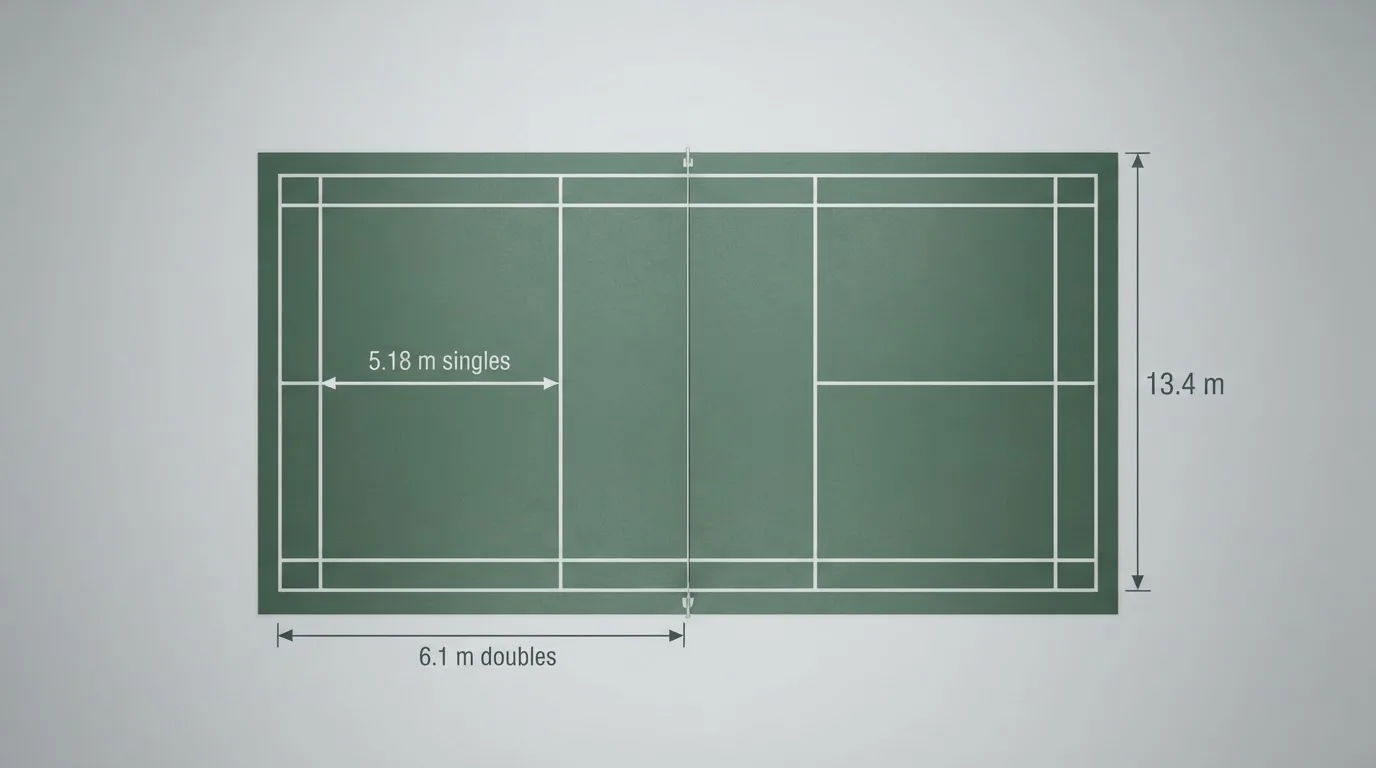
Five disciplines drive the betting menu: men’s singles, women’s singles, men’s doubles, women’s doubles and mixed doubles. Singles get the deepest coverage at every British book because the data is best; doubles’s events are priced but the in-play markets thin out faster, partly because the data feed on doubles is sparser and partly because the books know fewer doubles bettors to spread risk against. Tournament-wise, the All England, the BWF World Championships, the Thomas and Uber Cups (men’s team and women’s team, both every two years), the Sudirman Cup for mixed teams, and the Olympic badminton competition are the events that draw full coverage at every reviewed operator. Smaller BWF events — Super 300, Super 100 — get priced at the bigger books and drop off the menu at the smaller ones.
The Legal Frame Around Badminton Betting in Great Britain
Badminton betting in Great Britain runs under the Gambling Act 2005, which covers England, Scotland and Wales; Northern Ireland is outside the Act. There is no statutory list of permitted sports or markets. The test is whether the bookmaker holds the right kind of operating licence from the Gambling Commission, the non-departmental public body sponsored by the Department for Culture, Media and Sport. Two licence categories matter for a punter looking at fixed-odds badminton: remote general betting standard (real events), which is the licence for a bookmaker offering odds on real sporting events including badminton; and remote betting intermediary, which is the licence for a betting exchange that matches back and lay bets between customers. Both are listed on the Commission’s public register, and both can be checked there by business name, trading name, domain or account number. The register is the whole test of who is licensed.
The Gambling (Licensing and Advertising) Act 2014 closed a long-standing loophole. Before 2014, a bookmaker based in Gibraltar, Malta or another jurisdiction could take bets from customers in Great Britain on a home-country licence. Since the 2014 Act, an operator whose remote facilities are used in Great Britain needs a Commission licence wherever it is based. Sections 33 and 36 of the 2005 Act, as amended, are the relevant provisions, and providing gambling facilities in Great Britain without the right licence is an offence aimed at the operator. No offence aimed at a customer who merely places a bet on an unlicensed site was identified. The honest framing of an unlicensed site is not that it is illegal to use; it is that the bettor loses the consumer protections a licence brings — no GAMSTOP coverage, no approved dispute-resolution route, no Commission enforcement if funds are withheld.
What the Licence Costs the Customer
The licence is paid for by the operator, but it shapes what the punter experiences at the betting slip. Three pieces matter most for badminton betting. First, identity verification: since 7 May 2019, name, address and date of birth are verified before a customer can deposit or gamble, including with a free bet or bonus. There is no anonymous play at a licensed site, which forecloses the kind of one-off account that offshore books sometimes permit. Second, GAMSTOP membership: every online operator holding a remote general betting standard (real events) licence is a GAMSTOP member, and GAMSTOP is the national multi-operator self-exclusion scheme. A punter who has self-excluded through GAMSTOP cannot open an account at any participating brand, which is the point. Third, the financial vulnerability check (LCCP condition 3.4.4, in force since 30 August 2024), which applies when a customer’s deposits minus withdrawals exceed £150 in a rolling 30 days — since 28 February 2025 — and is a public-record check such as a bankruptcy or county court judgment, not an income or credit reference check.
The bonus rules that have just come into force reshape what welcome offers look like. Since 19 January 2026, wagering requirements on bonuses are capped at 10x — a £10 bonus at 50x, which would have needed £500 of qualifying bets, is no longer permitted at 10x. Mixed-product promotions — an offer that requires gambling on two or more product types, such as “bet on football to get free spins” — are banned. Whether the 10x cap applies to free bets that carry no wagering condition at all, and any cap on the money value of a bonus, are not established by the rules, so the operator’s own terms settle those points.
The advertising frame around these offers sits with the ASA, the Advertising Standards Authority, through the CAP Code (non-broadcast) and the BCAP Code (broadcast), alongside the Commission’s marketing conditions. CAP Code section 16 says marketing must be socially responsible, must not be of strong appeal to under-18s, and no one who is or seems to be under 25 may be featured gambling or play a significant role in an advertisement, with an exception for marketing placed where a bet can be made directly. That is a rule about who may appear in the ad, not about who may bet. The minimum age to bet is 18.
Responsible Gambling Tools at Licensed Operators
Every brand reviewed below is on the Gambling Commission’s public register against a remote general betting standard (real events) licence, with one exception — Smarkets, which holds a remote betting intermediary licence and operates as an exchange rather than a traditional book. Every one of them is a GAMSTOP member and runs the safer-gambling controls the LCCP sets out. The shape of those controls is similar across the set, which is itself a sign that the licence conditions are biting.
Timeouts are the simplest tool: a short break from play, usually 24 hours, seven days or 30 days, set from the safer-gambling section of the account and lifted automatically at the end of the period. Deposit limits are the next rung: a customer-set ceiling on net deposits over a fixed time frame (daily, weekly or monthly), which the operator must offer under the remote technical standards. The first changes to those standards applied from 31 October 2025; a second phase has been postponed to 30 September 2026 and whether it is live is not established. Operators also run product-level blocking — turning off casino, slots, or specific game types — and reality checks that interrupt play at intervals the customer sets. Fitzwilliam Sports describes instant deposits, fast withdrawals, timeouts and deposit limits and links to GambleAware, GAMSTOP and Gamblers Anonymous on its site, which is a representative list of the safer-gambling menu at a smaller brand.
GAMSTOP itself is worth pausing on. A self-exclusion through GAMSTOP runs for six months, one year, five years, or five years with auto-renewal, and after the minimum period the exclusion stays in place for a further seven years unless the customer asks GAMSTOP to remove it. GAMSTOP covers online sites and apps; betting shops use a separate offline self-exclusion scheme. A punter who has self-excluded through GAMSTOP cannot deposit, place a bet or open an account at any participating brand for the duration. That is the only multi-operator exclusion available in Great Britain.
The financial vulnerability check applies when deposits minus withdrawals exceed £150 in a rolling 30 days. It is a public-record check — the kind of data that turns up in bankruptcy registers and county court judgments — not a credit-reference check and not a proof-of-income check. The Commission announced in July 2026 a staged plan for fuller financial risk assessments, the so-called affordability checks, with no start date; whether and when they will come into force is not established. A punter should expect, at higher spend, to be asked for source-of-funds information under the money-laundering rules, which is normal at a licensed site and not a sign anything is wrong.
Help exists and is independent of the bookmaker. GamCare runs the National Gambling Helpline. GambleAware funds treatment and education. NHS gambling clinics run in several regions. Gamblers Anonymous runs peer-support meetings. None of these is a substitute for the customer’s own limits, but they exist for the moments when those limits slip.
Badminton Betting Offers and What They Cost
The welcome offer is the most expensive piece of marketing on a bookmaker’s site, in the sense that the small print costs the punter more than the bonus pays. A £30 free bet that needs £300 of qualifying bets at minimum odds of 2.00 is paid for by the qualifying turnover, which carries the book’s margin on every bet in it. The 10x wagering cap introduced on 19 January 2026 limits how much the small print can ask, but it does not eliminate the cost: the cap is on the wagering factor, not on the margin the book earns on each leg. A punter who reads a welcome offer as £30 of free money is reading it wrong; the £30 is the headline, and the qualifying turnover plus the margin is the price.
A representative shape is Unibet’s sports welcome: deposit and bet £20 or more at minimum odds of 2.0 (1/1), for new GB customers using a debit card or instant bank transfer, with free bets expiring within 7 days of issue. The headline is “Get £40 in Free Bets when you bet £20”, and the £40 is split across free bets the customer uses on selections of their own. The qualifying bet is the £20 stake, which carries the book’s margin, and the free bets themselves settle at stake-not-returned — meaning a winning free bet returns the profit, not the profit plus a returned stake. That is the standard shape for a free bet in the British market and the punter should plan for it.
Hollywoodbets’ sports welcome is shaped differently: new players who deposit £10 or more by card get their stake back as a free bet of up to £30 on their first qualifying losing accumulator (stake £10+, three legs or more, odds of 4/1 or greater, settled within seven days); one free bet per customer. The headline is “stake back”, and the qualifying bet is an accumulator at 4/1 or greater with three or more legs. An accumulator’s odds multiply across the legs, so the qualifying condition is a meaningful one: a £10 stake at an acca of 4/1 or greater returns £50 if it wins, and the stake is returned as a free bet of up to £30 if the bet loses. The “up to £30” matters: the free bet is capped, so a punter laying a £25 stake on the acca would get £25 back, not £30, if the bet loses.
Bet Ahoy’s welcome is “Bet £10 & Get £10 in Free Bets”, made up of a £5 sports bet and a £5 acca. The headline is smaller, the qualifying bet is the same shape, and the £10 of free bets splits between a sports free bet and an accumulator free bet. Smaller brands tend to offer smaller welcome packages in money terms, but the wagering factor is usually the same.
The cap on free-bet winnings — the maximum a winning free bet can pay out — is the clause that does the most damage to the headline number. Free bets often carry a cap, and the cap sits at the operator’s discretion; it is not regulated by the 10x bonus cap, which applies to wagering requirements rather than to caps on winnings. A punter should always read the free-bet terms before claiming: a £10 free bet at any odds has a maximum profit that may be far smaller than the headline implies.
The Margin Inside Every Coupon
The cost of a badminton bet is the margin baked into the price, and the margin is the same whether the bet is a welcome-offer qualifier or a free bet. For an illustrative two-way market at decimal odds of 1.90 and 1.90 — the example the calculation block uses — the implied probabilities of each outcome are 1 ÷ 1.90, or about 52.63% each, summing to 105.26%. The fair book would sum to 100%. The overround is the gap, about 5.26% of stakes on this example, which is the margin the book expects to keep across the market on average. That margin is what the punter pays for the fixed price and the guarantee to pay out.
Stating the result as a band with its condition is honest, because margins on real badminton coupons vary. The same two-way shape priced at 1.85/1.85 carries an overround of 8.11%; at 1.95/1.95 it carries 2.56%. The narrowest margins sit on the head-to-head match winner market at a deep book for a high-profile fixture — the All England final, an Olympic gold medal match — and can dip below 3%. The widest margins sit on the smaller BWF events at the smaller books, on the outright winner markets for a tournament two weeks out, and on any market the book does not price in depth: a handicap line on a Super 100 doubles match at a brand that does not cover doubles closely can run at 10% or wider. The point is not the exact number; it is that the number is the price, and the punter pays it on every bet.
Live Badminton Betting and Cash Out
Badminton is a fast sport — a men’s singles game between two attacking players can finish inside twenty minutes, and a match rarely runs past an hour and a half even when it goes to three games. That speed is what makes live badminton betting a different product from live football betting, where the action stops for set pieces and substitutions. The market updates continuously: every point shifts the implied probability of the game winner, and the in-play price moves with it. The bookmaker’s margin on the in-play market is wider than on the pre-match market for the same fixture, because the book has to manage the risk of a swing it cannot hedge in real time, and because the in-play data feed it relies on is the same feed for every book at the lower levels of the sport.
In-play betting at a GB-licensed operator sits inside the operator’s licence conditions and customer-protection duties; the controls are the operator’s, not a statutory list of permitted in-play markets. No statutory prohibition was found. What the punter sees at the live slip is a smaller menu than the pre-match menu — typically the match winner, the game winner within the current game, and a handful of point-based markets on the server or receiver — and faster suspensions: when a player takes an injury timeout, when the shuttle changes, when a challenge is called, the market goes up briefly while the book reprices. BWF matches include video review at the higher levels, and the book is at the mercy of the tournament’s officiating in how long the stoppage lasts.
Cash out is the second product that turns live betting from a one-way market into something more dynamic. A cash-out offer lets the punter settle the bet at the current in-play price rather than waiting for the match to finish, accepting a smaller win in return for certainty. The cash-out price the book offers is its own in-play price with its own margin, which is wider than the pre-match margin and wider than the in-play margin the book would offer to a new bet on the same market. That margin is the price of certainty. A punter who cashes out a winning bet is paying the book a fee for stopping the bet early, and the fee is bigger on a bet that is winning by more than the punter expected, because the book is taking on more liability than it would otherwise.
The deeper live product at the major books — bet365, for example, which describes in-play betting, live streaming of events worldwide and tools like Bet Track, Match Live and a Live Golf Tracker (the latter being a golf product, but the principle of a visual tracker that follows bets in play is the one that applies) — is the one to use for badminton, because the data feed is the same feed across the major books and the brand with the deepest in-play menu is the one whose cash-out price will be tightest.
Badminton Betting Tips and the Limits of Forecasting
A badminton betting tip is a forecast of an outcome, and a forecast is a statement of probability rather than a guarantee. No source of tips — paid, free, expert, statistical — can promise a winner, because the outcome is not knowable in advance and the margin baked into the price means the punter needs to beat the market on average, not on a single match. A tipster service that quotes a strike rate without quoting the odds the tip was struck at is reporting half the data; a tipster that quotes both and shows a return on turnover across hundreds of bets is closer to useful, but still a forecast, not a certainty.
The honest framing of badminton betting tips in Great Britain is that they are a way to organise thinking about a fixture rather than a way to make money. The materials that improve the punter’s edge are public: the BWF world ranking, the head-to-head record, the recent form on the relevant surface (indoor wooden courts are the norm at the BWF level, but altitude and air density vary by venue and can matter for power players), the injury list, and the draw path through the tournament. None of those is a tip; together they describe the inputs to a model the punter runs in their head. The punter’s job is to weight those inputs better than the book does, which is hard at the top of the sport where the book has access to the same data and a faster computer, and easier at the lower levels of the sport where the book has thinner data and the punter who watches the doubles game closely can have information the model does not.
Bankroll management is the discipline that keeps a tipster service from destroying the bankroll even when the tips are right. A punter who stakes a fixed share of bank on every bet, say 2%, survives the losing streaks that even the best tipsters run; a punter who stakes a fixed pound amount on every bet can be wiped out by a bad week. The first rule of bankroll management is the only one with no exceptions: never stake more than the bankroll can survive a 100-bet losing streak, because every tipster service runs losing streaks and the punter who breaks under one ends up betting with scared money, which is the worst money to bet with.
Software for tracking badminton statistics exists, but the BWF’s own tournament pages carry the data the punter needs at no cost. The punter who pays for a paid data feed on a sport with the depth of badminton is paying for convenience, not for information that is not already public.
The Markets Available on a Badminton Match
The market menu at a British bookmaker on a BWF fixture follows a standard shape, with the depth depending on the book and the size of the event.
The head-to-head match winner is the base market: a single price on player A or player B. On a balanced fixture this is priced close to evens (2.00 decimal, 1/1 fractional), with a margin somewhere between 5% and 8% depending on the book and the depth of the data. Outright winner markets for the tournament as a whole are priced from the moment the draw is published and shift continuously through the event as players are eliminated; the margin on the outright is wider than the margin on a single match, because the book has more uncertainty to manage.
The totals market — over/under a stated number of games in the match, typically over/under 2.5 games — is where the punter bets on how many games the match will run. A two-game match settles under 2.5; a three-game match settles over. The margin on totals is wider than on the match winner because the data on game counts is thinner and the book is pricing on a smaller sample. The handicap market, where one player is given a game start or a point start in a game, is similar: deeper at the major events and the major books, thinner everywhere else.
Game winner markets are published within the match — a price on who wins the current game — and that is the live product’s core. Point-based markets on the server or receiver, on whether the next point goes to the server or the receiver, and on whether a specific player wins a specific game, are the deeper end of the in-play menu and only the largest books carry them.
Each-way betting on the outright winner markets at the bigger tournaments is offered by some books, though it is rarer on badminton than it is on horse racing. Each-way is two bets of equal stake: one on the win and one on the place. The stake doubles; the place terms are set by the book. Badminton outrights rarely have the kind of deep place markets that racing does, because the field is smaller.
Bet builder, sometimes called a same-game multi, is the product that lets the punter combine markets from one event into a single bet. bet365 calls its version Bet Builder+ and offers it pre-match and in-play; Midnite offers an acca builder. The bet builder price is computed from the legs’ prices, and the margin on the combined bet is the sum of the margins on the legs, which is why a bet builder tends to be more expensive than a single. The convenience is the ability to combine markets that do not normally combine, like match winner and total games over 2.5, into one bet.
The accumulator, acca, is the bet that combines selections across different events. A treble of four singles at 2.00, 3.00, 1.50 and 2.50 settles at 2.00 × 3.00 × 1.50 × 2.50, or 22.50, and the stake multiplied by that product is the return. The margin on the acca is the sum of the margins on the legs, which is why long accas carry margins well into double digits. Hollywoodbets’ qualifying condition for its welcome is an acca with three or more legs at 4/1 or greater, and that is the work the punter does to qualify for the free bet.
Reading Fractional and Decimal Odds Side by Side
British bookmakers publish fractional odds as the headline on racing and some other sports and decimal odds as the settled price, which is the form that matters at the betting slip. The conversion is mechanical: fractional odds of a/b become decimal odds of a ÷ b + 1. Fractional 5/1 becomes 5 ÷ 1 + 1 = 6.00 decimal; fractional 11/4 becomes 11 ÷ 4 + 1 = 3.75 decimal; fractional evens (1/1) becomes 1.00 + 1.00 = 2.00 decimal. Odds-on prices are shorter than evens, meaning the profit is smaller than the stake; odds-against prices are longer than evens.
A punter who wants to compare prices across brands should convert all of them to decimal and divide. Two books offering the same selection at 6.00 and 5.50 decimal have a 9% gap on the better price, which is the size of the price edge the punter can capture by shopping around. That is a meaningful edge on a single bet and a meaningful edge on a long acca, where the differences compound.
Badminton’s Calendar and Where the Liquidity Sits
Badminton’s competitive calendar runs almost year-round, with the major BWF events clustered in the first half of the year and a longer tail of smaller events through the summer and autumn. The All England Open Badminton Championships, first held in 1900 and now the sport’s most prestigious open tournament, is the headline event of the early season. The BWF World Championships, first held in 1977, sit alongside it; the Thomas Cup (men’s team) and Uber Cup (women’s team) are held every two years; the Sudirman Cup for mixed teams is also held every two years and was first held in 1989. Badminton has been an official Summer Olympic sport since 1992, with mixed doubles added four years later.
Liquidity follows the calendar. The All England and the BWF World Championships draw the deepest coverage at every British book, with full pre-match markets, in-play markets, outright winner markets and sometimes bet builder markets on individual matches. The Thomas Cup and Uber Cup draw team-level outrights but thinner individual markets, because the format is country versus country and the betting interest is partly national. The Sudirman Cup sits in the same place. The Olympic badminton competition is the single largest liquidity event in the four-year cycle, with the full menu of markets on every match from the group stage onward. Super 1000, Super 750, Super 500, Super 300 and Super 100 events make up the BWF World Tour and have varying depth at British books: the Super 1000 events (the All England, the Indonesia Open, the Malaysia Open, the China Open) are priced in depth at every reviewed operator, and the lower-tier events drop off the menu at the smaller books.
The punter who cares about liquidity should follow the calendar and place bets during the events the books care about. The punter who wants to bet on a Super 100 doubles match in a small BWF event will find thinner markets and wider margins than on an All England singles match, which is the cost of betting off the main road.
What a Margin Calculation Actually Tells the Punter
The calculation the page is built around is the margin, because the margin is the single number that explains why a winning punter still loses money over a year of betting. For an illustrative two-way market at decimal odds of 1.90 and 1.90 (fractional 9/10 each way), the implied probability of each outcome is 1 ÷ 1.90, or roughly 52.63%, summing to 105.26% — and the gap from 100% is the overround. The overround is the margin, which is the share of stakes the book expects to keep across the market on average. The result on this example is a margin band of roughly 5%, which is the cost the punter pays on every £100 staked on this kind of market at this kind of price before the punter’s own skill against the market enters the picture.
The honest framing is a band rather than a single figure. Real badminton margins run from under 3% on the deepest head-to-head match winner markets at the major books for the biggest fixtures to 10% or more on thinly priced markets at smaller books for smaller events. A margin under 3% means the punter keeps about 97p of every £1 staked in expectation across the market; a margin over 10% means the punter keeps under 90p. Picking winners better than the market by enough to cover the margin and make a return is the punter’s job, and the margin is the threshold that job has to clear.
The Ten British Bookmakers Reviewed for Badminton
The ten operators below are the brands on the Gambling Commission’s public register against a remote operating licence for Great Britain that have a published sports betting product. The set is not a ranking. Each review is built from the Commission’s public register, the operator’s own published terms and the brand’s published app description. Several brands in the wider market run under the same licensee — Ladbrokes and Coral under LC International, Paddy Power and Betfair under Flutter — and the table treats the licensed entity rather than the trading name when they differ. No operator is “the best”; the question each operator answers is which kind of badminton bettor it suits.
Ladbrokes
Ladbrokes is published by Entain Operations Limited (UKGC account 54743). The Ladbrokes Sports Betting App carries a GB App Store score of 4.66 from 101,255 ratings, which is a signal of a heavily used app rather than a judgement on the badminton product. Ladbrokes is a high-street name that migrated to online without losing the in-shop conventions: the in-play menu is deep, the BWF outright winner markets are present, and the welcome offer follows the Entain shape rather than a badminton-specific deal. The verdict for a badminton bettor is that Ladbrokes is the familiar, high-volume choice for a punter who wants a tried-and-tested in-play slip over a specialist badminton interface.
Bet Ahoy
Bet Ahoy is published by Bet Ahoy Ltd (UKGC account 100094). The welcome offer is “Bet £10 & Get £10 in Free Bets”, made up of a £5 sports bet and a £5 acca, which is the smallest welcome in the set in headline money and the most permissive in qualifying shape. The smaller headline is not a smaller wagering factor; the same shape carries the same margin on the qualifying bet. The verdict is that Bet Ahoy provides a straightforward, low-friction welcome that avoids the complexities of high-stakes offers, making it a competitive option for the casual player.
Fitzwilliam Sports
Fitzwilliam Sports describes itself as a Dublin bookmaker with capped membership and runs under licensee SBKI Limited (UKGC account 48760). The welcome is a “High Stakes Welcome” subject to compliance criteria, which is a different shape from the deposit-and-bet welcome at the rest of the set: the headline targets the larger-stake bettor and the qualification is on meeting compliance criteria the operator sets rather than on a fixed stake. Fitzwilliam Sports also describes instant deposits, fast withdrawals, timeouts and deposit limits, with links to GambleAware, GAMSTOP and Gamblers Anonymous. The verdict is that Fitzwilliam Sports is a niche operator that caters to a specific, higher-stakes audience, and it is less suitable for the punter looking for a standard, retail-style welcome.
London Bet
London Bet runs under Thistle Bet Limited (UKGC account 66162). The London.bet app combines sports betting — football, tennis, horse racing, greyhounds, darts, golf, cricket, NFL, NBA, MLB, snooker — with Pragmatic Play casino slots and live in-play betting. The shape of the product is the multi-vertical app rather than the sports specialist, which is a hint about where it sits in the punter’s rotation: it is the app a punter keeps on the home screen for the casino and the slots and uses for sports on the side, rather than the app a punter opens first for a badminton bet. The verdict is that the badminton market here is an add-on, making this platform ideal for the multi-vertical player rather than the badminton purist.
Unibet
Unibet operates under Platinum Gaming Limited, Gibraltar (UKGC account 45322), and states it has done so since 1999. The sports welcome offer is “Get £40 in Free Bets when you bet £20”, with a deposit and sports bet of £20 or more at minimum odds of 2.0 (1/1), free bets expiring within 7 days of issue, for new GB customers using a debit card or instant bank transfer. The £40 free bet is the headline in the set alongside Hollywoodbets’ £30 stake-back; the qualifying bet is a £20 stake at minimum odds of 2.0, which is the standard shape. Unibet’s strength is the depth of the live menu and the European tournament coverage, which is broader than the BWF-only focus of some of the smaller books. The verdict is that this brand is a strong contender for those who value deep in-play liquidity and a long-standing market presence.
Smarkets
Smarkets is the only operator in the set that runs as a betting exchange rather than a traditional book, under licence holder Smarkets (Malta) Limited on a Gambling Commission remote betting intermediary licence (account 39173). Smarkets UK deposits by open bank transfer are instant from £10 up to £10,000, and withdrawals are processed within 6 hours from £10 up to £100,000; UK debit card deposits are instant from £10 up to £15,000. The exchange model is different from the book model: the punter backs or lays selections at prices set by other punters, with Smarkets taking a commission on net winnings rather than a margin baked into every price. The commission structure is what makes an exchange cheaper to bet at than a book on the markets that have liquidity; the markets that do not have liquidity sit unpriced, which is the cost of the model. The verdict is that Smarkets suits a punter who wants to lay selections as well as back them and who is happy to set their own price rather than take the book’s, and that it is the wrong product for a punter who wants the deep in-play menu of a traditional book on a small BWF fixture.
Fafabet
Fafabet runs under Taichi Tech Limited (UKGC account 57385). The brand’s standout feature is Best Odds Guaranteed on UK and Irish horse racing win and each-way bets from 9am on race days: if the starting price is bigger than the original price taken, the bigger odds are paid. That is a racing product rather than a badminton product, and it is the answer to the question of what Fafabet offers a punter whose interest is in badminton. The honest answer is that Fafabet’s badminton menu is present but the brand is built around racing and the welcome product is racing-shaped. The verdict is that Fafabet is optimized for racing bettors; those seeking a pure badminton-focused experience might look elsewhere.
bet365
bet365 runs under licence holder Hillside (UK Sports) ENC and is licensed by the Gambling Commission (account 55148) for remote general betting. bet365 is the official global betting partner of the UEFA Champions League and its app is described as the most downloaded sports betting app in the UK. The product depth is the deepest in the set: bet365 offers Bet Builder+ (combining markets from one event into a single bet, available pre-match and in-play), Super Boosts, Winnings Boosts on Bet Builders and selected singles, and daily Bet Boosts. The live product is the deepest in the set as well, with in-play betting, live streaming of events worldwide, Bet Track, Match Live and a Live Golf Tracker (golf-specific but indicative of the visual-tracker approach the brand applies to live betting). The badminton menu at bet365 follows the depth of the brand: full pre-match markets on the major BWF events, in-play markets on the same fixtures, outright winner markets on the tournaments, and bet builder availability on individual matches at the bigger events. The verdict is that bet365 is the top choice for punters demanding the most extensive live-streaming and market variety.
Hollywoodbets
Hollywoodbets runs under licensee Hollywoodbets International UK Limited (UKGC account 53028). The sports welcome offer is stake-back rather than free-bet credit: new players who deposit £10 or more by card get their stake back as a free bet of up to £30 on their first qualifying losing accumulator (stake £10+, three legs or more, odds of 4/1 or greater, settled within seven days); one free bet per customer. The qualifying bet is an acca at 4/1 or greater with three or more legs, which is the meaningful condition: a £10 stake on an acca of 4/1 or greater returns £50 if it wins, and the stake is returned as a free bet of up to £30 if the bet loses. Hollywoodbets’ acca-shaped welcome suits a punter whose natural bet is the accumulator. The verdict is that Hollywoodbets offers a strong, acca-focused welcome that rewards strategic, long-term betting approaches.
Kalooki Sportsbook
Kalooki Sportsbook is operated by Kalooki Sports Book Ltd (UKGC account 57730). Kalooki is a GAMSTOP member and runs the standard verification regime. The brand is the smallest in the set by app-store footprint, and the verdict reflects it: Kalooki suits a punter who has found the brand through a specific channel — a recommendation, a niche promotion — and is happy with a smaller book that holds a full Commission licence. The margin on Kalooki’s badminton markets is not published in a way that distinguishes it from the rest of the set; the product is the standard book at a smaller scale.
How the Ten Operators Compare on the Basics
| Brand | Gambling Commission remote licence number and licence holder | What the operator’s own terms state on the key’s subject |
|---|---|---|
| Ladbrokes | 054743-R-330863-014 · LC International Limited | Remote general betting standard (real events); high-street app with deep in-play menu and full BWF outright winner markets |
| Bet Ahoy | 100094-R-341742-003 · Bet Ahoy Ltd | Remote general betting standard (real events); “Bet £10 & Get £10 in Free Bets” welcome split across a £5 sports bet and a £5 acca |
| Fitzwilliam Sports | 048760-R-335434-009 · SBKI Limited | Remote general betting standard (real events); “High Stakes Welcome” subject to compliance criteria, Dublin bookmaker with capped membership, instant deposits and fast withdrawals |
| London Bet | 066162-R-340278-004 · Thistle Bet Limited | Remote general betting standard (real events); multi-vertical app combining sports betting with Pragmatic Play casino slots and live in-play |
| Unibet | 045322-R-324275-019 · Platinum Gaming Limited | Remote general betting standard (real events); “Get £40 in Free Bets when you bet £20” welcome at minimum odds of 2.0 with 7-day expiry |
| Smarkets | 039173-R-319366-011 · Smarkets (Malta) Limited | Remote betting intermediary (exchange); open bank transfer deposits instant from £10 to £10,000 and withdrawals within 6 hours from £10 to £100,000 |
| Fafabet | 057385-R-333191-006 · Taichi Tech Limited | Remote general betting standard (real events); Best Odds Guaranteed on UK and Irish racing win and each-way bets from 9am on race days |
| bet365 | 055148-R-331498-002 · Hillside (UK Sports) ENC | Remote general betting standard (real events); Bet Builder+, Super Boosts, Winnings Boosts and daily Bet Boosts, in-play betting and live streaming worldwide |
| Hollywoodbets | 053028-R-330019-013 · Hollywoodbets International UK Limited | Remote general betting standard (real events); stake-back welcome of up to £30 as free bet on first qualifying losing acca (stake £10+, 3+ legs, odds 4/1+) |
| Kalooki Sportsbook | 057730-R-333396-005 · Kalooki Sportsbook Limited | Remote general betting standard (real events); GAMSTOP member, Kalooki Sports Book Ltd (company number 12938274) |
Picking the Right Book for a Badminton Bet
The right book for a badminton bet depends on what kind of bet it is. The bettor whose natural bet is the single on the head-to-head match winner wants the book with the lowest margin on that market and the deepest in-play coverage, which is bet365 at the major events and Unibet across the broader calendar. The bettor whose natural bet is the accumulator wants a brand that runs acca insurance and acca boosts, which Hollywoodbets qualifies through its welcome shape and which bet365 runs through its Winnings Boosts on Bet Builders. The bettor who wants to lay selections as well as back them wants Smarkets, because the exchange model is the only way to lay at a price rather than take the book’s back price.
The bettor who wants the smallest welcome in money terms and the lowest-friction qualifying bet is best served by Bet Ahoy. The bettor who wants the biggest welcome in headline money is best served by Unibet. The bettor who wants the racing-shaped welcome and is happy with badminton as a secondary product is best served by Fafabet. The bettor who wants a multi-vertical app with casino alongside the sports product is best served by London Bet. The bettor who wants the high-stakes welcome of a Dublin bookmaker with capped membership is best served by Fitzwilliam Sports. The bettor who wants a smaller specialist book with the full licence behind it is best served by Kalooki Sportsbook. The bettor who wants a familiar brand with the depth of the in-play product and the BWF outright markets is best served by Ladbrokes.
The right book for the punter who wants to shop around is more than one book. The single most useful habit a badminton bettor can build is to check two or three brands on the same selection before placing the bet. Two books offering the same selection at 6.00 and 5.50 decimal have a 9% gap on the better price, which is the edge the punter captures for free by shopping around. That edge compounds on long accas and on the bet builder, where the per-leg difference becomes the per-bet difference.
Payment Methods and What the Small Print Says
Payment methods at GB-licensed operators for badminton betting follow the standard form, which the British market has settled into over the last decade. Credit cards are banned for gambling in Great Britain since 14 April 2020, including credit-card-funded payments through an e-wallet; debit cards and bank-based payments are not covered by the ban. The identity-verification regime at a licensed operator means the first deposit is followed by a verification check before the punter can gamble, which is the cost of playing at a licensed site and the protection that comes with it.
The bank transfer is the cleanest method at most British books. Smarkets UK takes open bank transfer deposits from £10 up to £10,000 instantly and processes withdrawals within 6 hours from £10 up to £100,000, which is a tight payout window for the British market. The debit card is the standard at every reviewed operator: deposits are instant, withdrawals are processed within one to three working days at most brands, and the card’s chargeback route is a layer of consumer protection a punter keeps in their pocket for the rare case the book withholds funds unfairly. E-wallets are accepted at most brands but the verification regime means the wallet has to be in the punter’s name and verified.
A British named-account rule, a state list of permitted payment methods, and any rule for or against cryptocurrency deposits at licensed operators were not established. Cryptocurrency is not a stated payment method at any of the ten reviewed operators on the published terms reviewed here, which is consistent with the British market’s caution on the asset class; describing cryptocurrency support at any of the brands below would require evidence from the operator’s own terms, and that evidence is not in the materials reviewed here.
Tax, Duty and What the Punter Pays
The punter pays no tax on betting winnings in Great Britain. The operator pays General Betting Duty, currently 15% of gross profits on most bets, and from 1 April 2027 a new remote betting rate of 25% applies within it, while remote bets on UK horse racing, bets on self-service betting terminals in licensed premises, pool betting and in-person betting stay at 15%, per the HM Government policy paper of 26 November 2025. Spread betting has its own rates: 3% on financial spread bets and 10% on other spread bets. Whether the operator passes duty on through the odds is not established; never assume the operator does and never assume the operator does not. The Commission’s statutory levy is a separate charge on the operator, not a tax on the punter.
A professional gambler whose betting crosses the line from hobby to trade should ask HMRC or an adviser about their position, because the tax treatment of a professional is different from the tax treatment of a recreational punter and the line between the two is not always obvious.
What an Unlicensed Brand Costs the Punter
A GB licence is compulsory at the point of consumption. Providing gambling facilities in Great Britain without the licence the Act requires is an offence under section 33 of the Gambling Act 2005, aimed at the operator. The punter who bets on an unlicensed site does not commit an offence, but loses the protections a licence brings: no GAMSTOP coverage, no Commission complaints route, no approved dispute-resolution body, no British consumer redress if funds are withheld, and the operator is not bound by the 10x bonus cap or the £150 vulnerability check. The honest description is that the punter keeps the same bets but loses the safety net.
Enforcement against unlicensed operators is disruption rather than blocking. The Commission issues cease-and-desist notices, works with search engines to demote unlicensed brands, works with hosts and registrars to take down infrastructure, and works with payment providers to disrupt payment flows. The Commission has been given, or is about to receive, court-order DNS blocking powers; never write that ISP blocking is in operation. The licensed path is the one with the safety net underneath it, and the unlicensed path is the one without.
A Short Note on the Numbers in This Page
The figures on this page come from the Gambling Commission’s public register, each operator’s published terms and the brand’s published app description. The register snapshot is the access date of this page. Specific prices and margins are not quoted on the page because they age faster than the licence data and would mislead a reader who used them out of date. The illustrative two-way market the calculation uses — decimal odds of 1.90 and 1.90, fractional 9/10 each way — is a worked example of the formula and not a quoted price. The headline number the calculation gives is a margin of approximately 5% on the example, which is a midpoint of the realistic band for a balanced two-way badminton market at a deep book for a major fixture. Real margins run from under 3% on the deepest head-to-head markets at the major books to over 10% on thinly priced markets at smaller books, and the punter pays that margin on every bet.
What to Read Before Claiming an Offer
The wagering factor on a bonus is capped at 10x since 19 January 2026. The free bet’s expiry date is fixed. The minimum odds for a qualifying bet are stated in the offer. The cap on free-bet winnings, if any, is in the small print. The stake-not-returned settlement on a winning free bet is the standard in the British market and is not a special case. The acca qualification, if any, is stated in the offer’s headline. The debit card or instant bank transfer requirement on a welcome offer is a standard payment-method condition that excludes e-wallets at most brands.
A punter who reads those six lines before claiming an offer is ahead of the punter who reads the headline and the headline alone. The headline is the marketing; the small print is the cost.
What the Punter Checks Before Opening an Account
The punter checks the Gambling Commission’s public register for the brand’s licence number and the licence holder’s name. The punter checks the safer-gambling menu at the brand for timeouts, deposit limits and GAMSTOP membership. The punter reads the welcome offer’s small print for the wagering factor, the minimum odds, the expiry date and the cap on free-bet winnings. The punter checks the payment-method menu for a debit card or bank transfer and the absence of credit card support. The punter checks the brand’s published app description for the in-play menu depth and the bet builder availability. The punter checks the terms for the maximum stake on the markets they care about and the rule on stake restrictions.
A punter who runs that checklist before opening an account is in a stronger position than a punter who opens the account first and reads the small print later. The small print is the same either way; the difference is whether it is read before the deposit or after.
Frequently Asked Questions
How is a bet placed on badminton?
A bettor picks a licensed BUK sportbook from the Gambling Commission’s public register, opens an account with verified name, address and date of birth, deposits by debit card or bank transfer, selects a BWF fixture or tournament, picks a market — match winner, total games, handicap, outright — chooses the selection, enters the stake, and confirms the bet on the betting slip. Settled bets pay out at decimal odds multiplied by the stake; the stake is returned with a win on a single.
How is a Gambling Commission licence checked?
Search the Commission’s public register by business name, trading name, domain or account number. The register entry shows the licence number, the licence categories on the register, the licence holder’s name and the licensed address. A match between the register entry and the brand’s own statement is the test of the licence; a mismatch or an absence from the register means the brand is not licensed for Great Britain.
How is a bet’s return worked out from the stake and the odds?
Multiply the stake by the decimal odds. The result is the total return if the bet wins, including the stake. The profit alone is the stake multiplied by (odds minus one). For an accumulator, multiply the decimal odds of the legs together first to get one combined price, then multiply the stake by that combined price.
What is the bookmaker’s margin and how does it show in the odds?
The margin is the share of every pound staked that the book expects to keep on average across a market. It shows in the odds because the implied probabilities of all outcomes of a market, computed as one over the decimal odds, sum to more than 100% on a real book. For an illustrative two-way market at 1.90/1.90, the implied probabilities sum to about 105%, and the gap is the margin of about 5% on that market.
How do fractional odds convert to decimal odds?
Divide the numerator of the fractional odds by the denominator and add one. Fractional 5/1 becomes 5 ÷ 1 + 1 = 6.00 decimal. Fractional 11/4 becomes 11 ÷ 4 + 1 = 3.75 decimal. Fractional evens (1/1) becomes 2.00 decimal. The decimal price is the form that settles the bet at a British bookmaker.
What safer-gambling tools must a licensed bookmaker offer?
Timeouts, deposit limits, reality checks, product-level blocking, GAMSTOP self-exclusion and access to independent help (GamCare, GambleAware, NHS gambling clinics, Gamblers Anonymous). The financial vulnerability check applies at a rolling 30-day net deposit of more than £150. Identity is verified before the first deposit. Help lines and self-exclusion are independent of the operator.
Tennis, darts & cue sports – Lowdepositbetting.com
Content created by the «Lowdepositbetting.com» team
